When you sit down for an autism assessment, the room can feel like a maze of questions, charts, and the faint hum of a fluorescent light. Maternal health factors You’re already juggling emotions—hope, anxiety, curiosity—and you’re wondering, what to ask during an autism assessment interview in Australia? This guide will help you turn that maze into a clear path.
Understanding the Assessment Process
Before you draft your questions, it’s useful to know how the assessment unfolds in the Australian context.
Types of Assessments in Australia
- Clinical Evaluation – a thorough interview with a psychologist or psychiatrist. Developmental Screening – quick questionnaires like the Ages and Stages Questionnaire. Multidisciplinary Assessment – involves speech therapists, occupational therapists, and educators.
Who Conducts the Assessment
In most states, a clinician with a background in developmental disorders leads the interview. Some services also bring in a multidisciplinary team to provide a holistic view.
Crafting Your Questions: Why They Matter
Your questions are the compass that keeps the interview on track. They help you uncover details that might otherwise slip through the cracks.
Building Rapport with the Clinician
Start with light, open questions to ease tension.
- “Can you walk me through the typical flow of an assessment?” “What do you find most helpful when a client feels nervous?”
A friendly tone turns the clinician from a distant authority into a partner in understanding.
Core Areas to Explore
Focus on four pillars: developmental history, social interaction, sensory experiences, and behavioral patterns. Each pillar feeds into the next, like building blocks that stack up to a complete picture.

Sample Questions to Ask
Below are themed question sets that align with the core areas. Use them as a template and tweak to fit your own story.
Developmental History
- “When did you first notice delays in speech or motor skills?” “How did your child’s milestones compare to typical age ranges?”
Social and Communication Skills
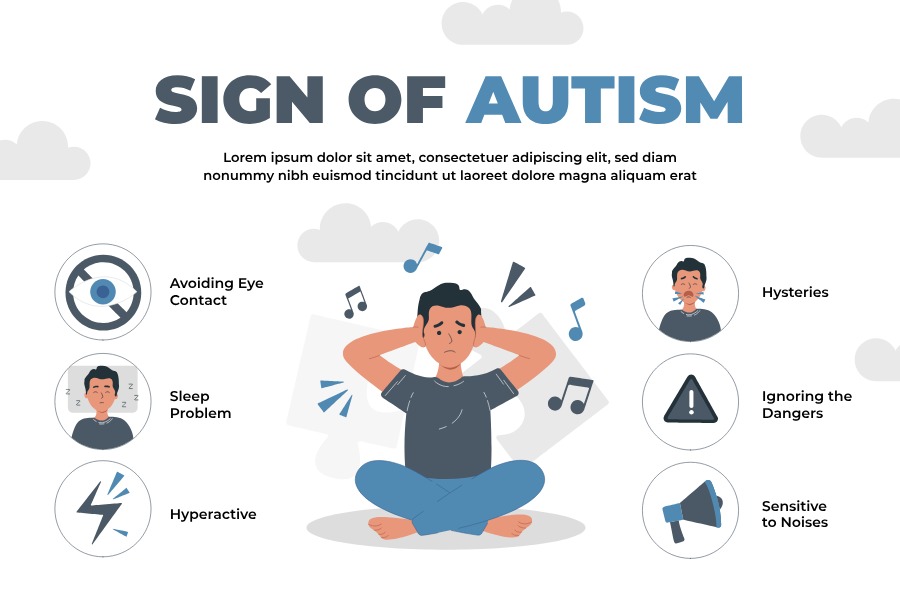
- “How does your child respond to eye contact during conversations?” “Can you describe a recent situation where your child struggled to understand a joke or sarcasm?”
Sensory Experiences
- “Does your child have strong reactions to lights, sounds, or textures?” “How do sensory sensitivities affect daily routines?”
Behavioral Patterns
- “What are the most common repetitive behaviors you observe?” “How do these behaviors change across different settings (home, school, public spaces)?”
Family and Support Needs
- “What support systems are currently in place for the family?” “What additional resources or therapies would you recommend?”
Common Pitfalls to Avoid
Even the best intentions can lead to missed information if you fall into these traps.
Overloading the Interview
- Tip: Prioritize questions that address your biggest concerns first. Result: You’ll avoid fatigue for both you and the clinician.
Assuming the Clinician Will Cover Everything
- Tip: Bring a list of questions ahead of time. Result: You’re less likely to feel left out of the conversation.
Tips for a Successful Interview
Preparation is the secret sauce that turns a good assessment into a Early developmental signs great one.
Preparing Ahead
- Write down any medical history or previous diagnoses. Gather school reports, therapy notes, and any relevant documentation.
Bringing Supporting Documents
- Developmental history: Birth records, early childhood milestones. Educational records: Reports from teachers or school psychologists.
Note‑Taking Strategies
- Use a simple template: Question → Clinician’s Response → Your Reflection. Highlight key phrases that resonate with your experience.
A Real‑World Anecdote
Last year, a parent named Liam walked into the clinic with a stack of school reports and a nervous grin. He asked, “Do you think my son’s love for trains could be a sign of a special interest?” The clinician chuckled, “Absolutely! Many autistic children have intense focus on specific topics.” Liam left feeling validated and armed with a clearer picture of his son’s strengths.
> “The best tool we have is curiosity.” – Dr. Emily Hughes, child psychologist
Turning Questions into Clarity
As you close the interview, remember that the questions you asked are not just data points; they’re stepping stones toward a more informed future. The next time you think, what to ask during an autism assessment interview in Australia, recall that each question is a conversation starter, a bridge, and a key that unlocks the door to better support and understanding.
Take your list, bring your documents, and step into that room with confidence. The assessment is not just a diagnosis—it’s the beginning of a journey, and you’re already on the right track.